When developing a new perfume, the success of your project does not depend only on selecting the right fragrance notes and creating an elegant package design. It also depends on the accuracy of the information printed on the packaging. A single error in the product details or artwork before printing can force you to reproduce materials, delay production schedules, or even prevent your perfume from entering the target market.
To help your product move smoothly from the production line to retail shelves, we at Jasmine cover the key perfume label requirements you need to consider, including:
- Essential documents required to approve your perfume product before manufacturing
- The difference between perfume packaging information and target-market requirements
- Reviewing label information before final printing
- The importance of barcodes and batch numbers on perfume labels
- Perfume packaging requirements before print approval
- Choosing a perfume manufacturer that can help prepare your product file
Official documents required to approve a perfume label design
These documents provide the technical reference that connects the product specifications you approve with the manufacturing steps carried out by the factory. You therefore need to verify the information associated with your perfume, while at Jasmine we organize these requirements into a clear and documented product file before production begins:
Product specification sheet
We use this as a precise reference to manufacture your product according to the agreed standards. It consolidates all technical and operational details agreed between your brand and our factory, including:
- The selected sample code and the fragrance formula associated with it
- The type and concentration of fragrance oil you have selected
- Fill volume, bottle specifications, and spray pump details
- Your filling and packaging requirements
- Product identification codes such as the SKU
- Quality acceptance criteria and approved inspection standards
IFRA certificate for perfumes
An IFRA Certificate relates to the fragrance formula and fragrance materials used in your perfume. It specifies the permitted usage level of the fragrance mixture according to the applicable product category and the relevant IFRA Standards.
This certificate helps you review the compliance of your fragrance formula before it is approved for use in the finished product and confirms that the fragrance mixture remains within the applicable permitted limits for its intended use.
Safety data sheet (SDS / MSDS)
The SDS provides information about the chemical and physical properties of the mixture, along with relevant handling, storage, and transportation instructions. It becomes particularly important when preparing perfumes for shipment because alcohol-based perfumes may be classified as flammable goods. The document provides you, logistics providers, and other relevant parties with the safety information needed for proper storage and transport.
Packaging compatibility and perfume stability reports
We conduct these tests to help ensure that the fragrance formula maintains its expected performance inside the packaging you have selected and that the packaging components are compatible with the perfume liquid. These tests include:
- Compatibility testing to assess the suitability of the bottle and spray pump for the fragrance mixture
- Stability testing to monitor potential changes in scent, color, and formulation under different conditions
This allows us to identify potential issues early and address them before large quantities of your product are manufactured and filled.
Reference sample approval form
This document records the final version approved by your brand in terms of fragrance, appearance, and product specifications. It then becomes our primary reference for comparison with future production batches.
We retain the approved reference sample as a quality-control benchmark to help maintain consistency when production is repeated and ensure that subsequent batches remain aligned with the version you originally approved.
Accurate technical documents and product information help protect your project from avoidable errors and production delays. Consult the Jasmine team today to prepare your complete product file before manufacturing begins.
Read Also: Your Guide to Perfume Manufacturing Quality Control Before Production
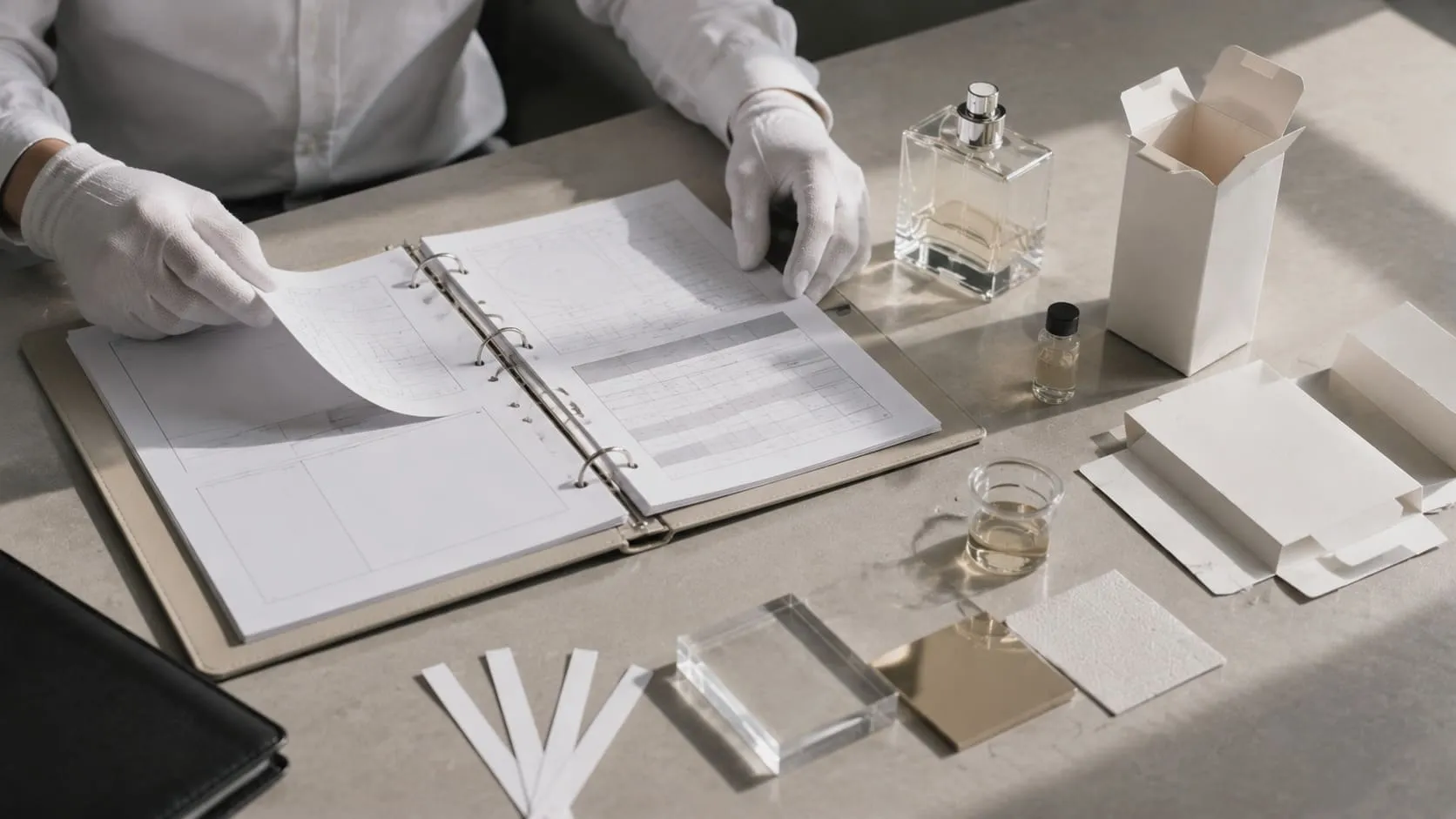
Perfume packaging information vs market-specific requirements
In private label perfume projects, you define the product format and the market you want to target. However, the information displayed on the packaging is not determined by branding and marketing considerations alone; it must also comply with the requirements of each market. For this reason, label approval begins with understanding the difference between these two aspects.
Information displayed on the perfume label
Your label reflects the identity of your fragrance and communicates its essential product information. The details printed on the packaging should accurately match both the perfume being manufactured and your brand identity. Key information may include:
- Brand name.
- Approved perfume name.
- Net content and bottle size.
- Fragrance type and concentration.
- Country of manufacture (Turkey).
- Batch code.
- Ingredient and fragrance allergen information.
Regulatory requirements of the target market
The acceptance of your shipment in the target market does not depend on perfume label design alone. Each country may impose different requirements governing the information and documentation needed before your product can legally be placed on the market. Defining the country of sale early therefore makes it easier to prepare your product correctly from the outset.
These requirements become particularly important when preparing your perfume for sale, as we help align your packaging and technical file with:
- Mandatory information required in your target country
- Regulatory documentation applicable to the perfume product
- Required language for product information and warnings
- Import requirements and customs clearance procedures
Aligning label information with market requirements
Once the product information and destination market have been defined, the next step is to verify that the final label artwork complies with the relevant requirements. This helps prevent inconsistencies between the packaging and technical file that could force you to make changes after production has already started. At Jasmine, we therefore cross-check the final version of your label against:
- The product specifications approved by the factory
- Technical documentation associated with the fragrance formula
- The requirements of the designated importing country
- Your planned distribution and sales model
Read Also: Private Label Manufacturing Agreement for Perfume Brands
Steps for reviewing a perfume label before final printing
This stage connects the final artwork with the product file and helps prevent discrepancies between the information printed on the packaging and the perfume we manufacture for you. The review process includes:
Reviewing product information and brand identity
We first verify that the final label artwork matches the information you have approved for your product, including:
- Your brand name and product name.
- Fragrance type and specified concentration.
- Pack size and its consistency with the actual fill volume.
- Alignment of the design with your approved visual identity.
At Jasmine, we cross-check these details against the product specifications before printing so that the final packaging accurately represents the perfume we have developed and approved together.
Verifying the ingredient list and technical information
The ingredient information must correspond to the fragrance formula and to the details required on the packaging in your target market. The review therefore includes checking:
- The ingredient list associated with the formulation
- Fragrance allergens that must be declared where applicable
- Consistency between private label perfume label information and the technical product file
Checking traceability and product-life information
Your packaging also includes information that supports product traceability after manufacturing. This requires verification of details such as:
- The perfume batch or lot number assigned to the production batch
- The barcode assigned to the commercial product
- The applicable Period After Opening (PAO) symbol or indication
Reviewing manufacturer and country-of-origin information
These details should match the official documentation, particularly when your shipment is being prepared for export. Key information includes:
- The name of Jasmine as the manufacturer, or the relevant responsible entity where applicable
- Turkey as the declared country of manufacture
- Information required for export and customs clearance
Matching the label language to market requirements
Label readiness depends not only on the accuracy of the information but also on how that information is presented to consumers under the rules of the target country. We therefore verify:
- Use of the required language for the target market
- Accurate translation of warnings and instructions for use
- Wording that complies with applicable distribution and labeling requirements
Reviewing all text, codes, and product information before printing can protect you from the cost of reprinting or reproducing packaging materials. Request a free consultation from Jasmine to review your perfume label and confirm that it is ready for production and market entry.
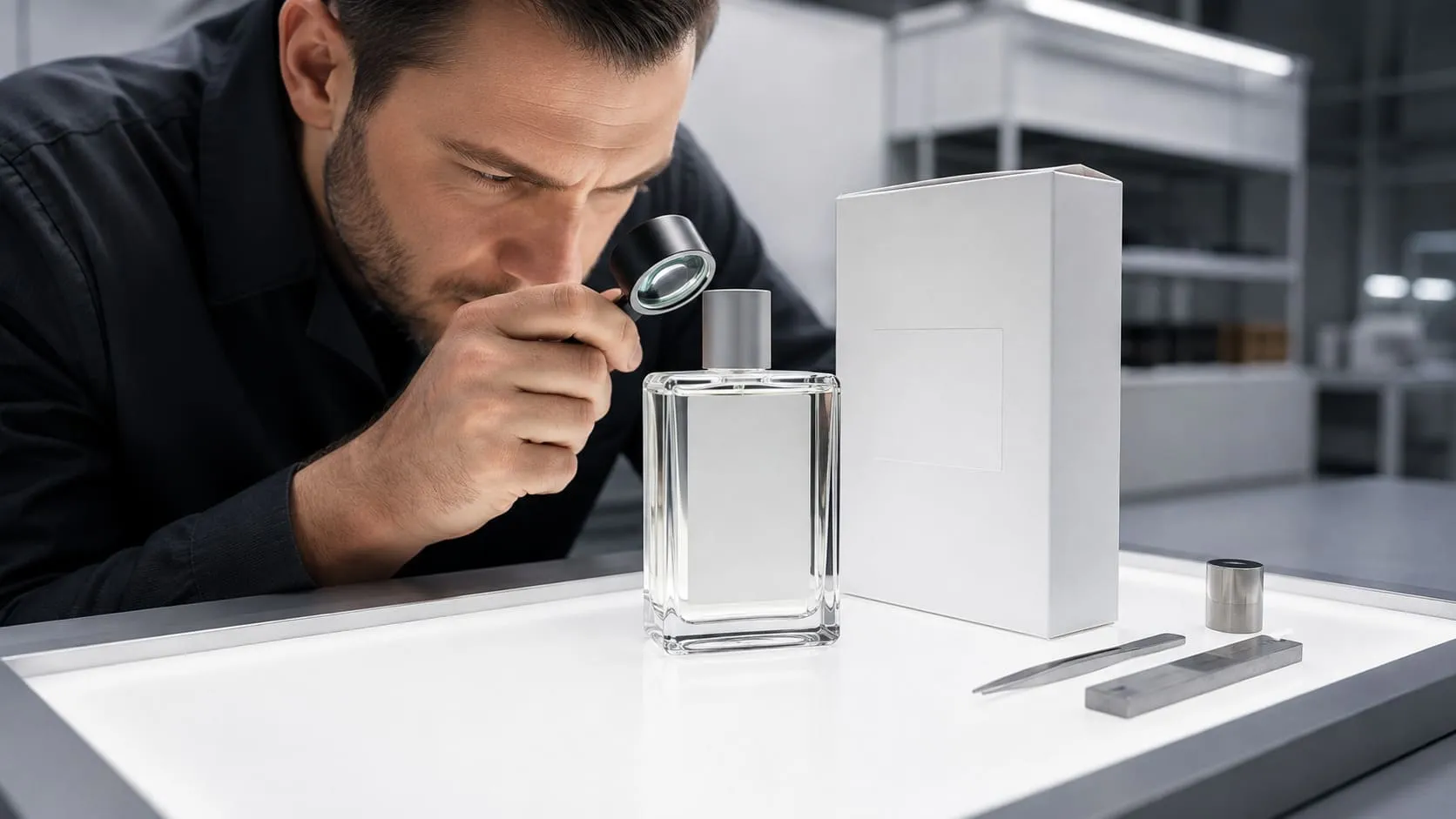
Importance of barcodes and batch numbers on perfume labels
The role of a barcode and perfume batch number goes beyond simply identifying the product in the market. Both are essential for traceability and for maintaining accurate product records from manufacturing through distribution, as explained below:
Production batch traceability
The batch number links your finished product to its manufacturing records, allowing the relevant production data to be retrieved if the product needs to be reviewed after distribution. This number is associated with specific information, including:
- The production and filling date of the batch
- Approved product specifications and perfume data
- Technical test results associated with the batch
- Manufacturing records related to your order
Sales and inventory management
While the batch number is primarily used to trace the perfume through the manufacturing process, the product barcode is used to identify the item within sales and inventory systems. This means you need to verify that:
- The barcode is linked to the correct product, size, and fragrance concentration
- The barcode is clearly printed and machine-readable
- Its associated data matches your approved product records
Managing quality recalls
The importance of the batch number becomes even more evident when a specific production batch needs to be reviewed or when a quality issue is reported after your perfume reaches the market. Having accurate traceability data helps you to:
- Identify the affected batch directly
- Review manufacturing and inspection records with us
- Take appropriate corrective action without unnecessarily affecting unaffected products
Protecting your brand
Product identification data also supports brand protection by linking the physical product to the official records maintained for your brand. Ensuring that the barcode and batch number match the technical product file can provide several benefits, including:
- Confirming the product’s connection to the relevant production batch
- Making shipment information easier to verify
- Reducing the risk of products being inconsistent with approved specifications
Regulatory compliance and inspection requirements
Regulatory inspections may require verification of the perfume’s source and production batch. For this reason, barcode and batch number information should be consistent with:
- The approved technical product file
- The product’s technical specifications
- Manufacturing records and shipping documentation
Perfume packaging requirements before print approval
Before approving your final artwork and perfume packaging, the print specifications and both primary and secondary packaging materials need to be reviewed carefully. This helps protect the perfume bottle and ensures that the finished packaging is suitable for handling, distribution, and export requirements:
- Artwork accuracy and dimensional layout: We technically review the dieline of the outer carton and verify margins, bleed areas, and the placement of information on every panel to prevent any text or symbols from being cut off during production.
- Carton fit and bottle protection: We check the internal dimensions of the outer box and the strength and fit of the inner insert to keep your perfume bottle secure and reduce the risk of movement or breakage during transportation.
- Print color quality and packaging finishes: We verify the approved color specifications and assess finishing techniques such as hot foil stamping, embossing, and surface lamination to ensure they maintain their appearance and durability against handling and friction.
- Readability of codes and mandatory information: We test barcode readability electronically and ensure that the batch number, Period After Opening (PAO) indication, and ingredient information are positioned clearly for both consumers and regulatory authorities.
- Pre-production sample approval: Before full production begins, we produce a physical pre-production sample so that the final appearance, label, and packaging can be checked against the specifications approved by both your brand and Jasmine.
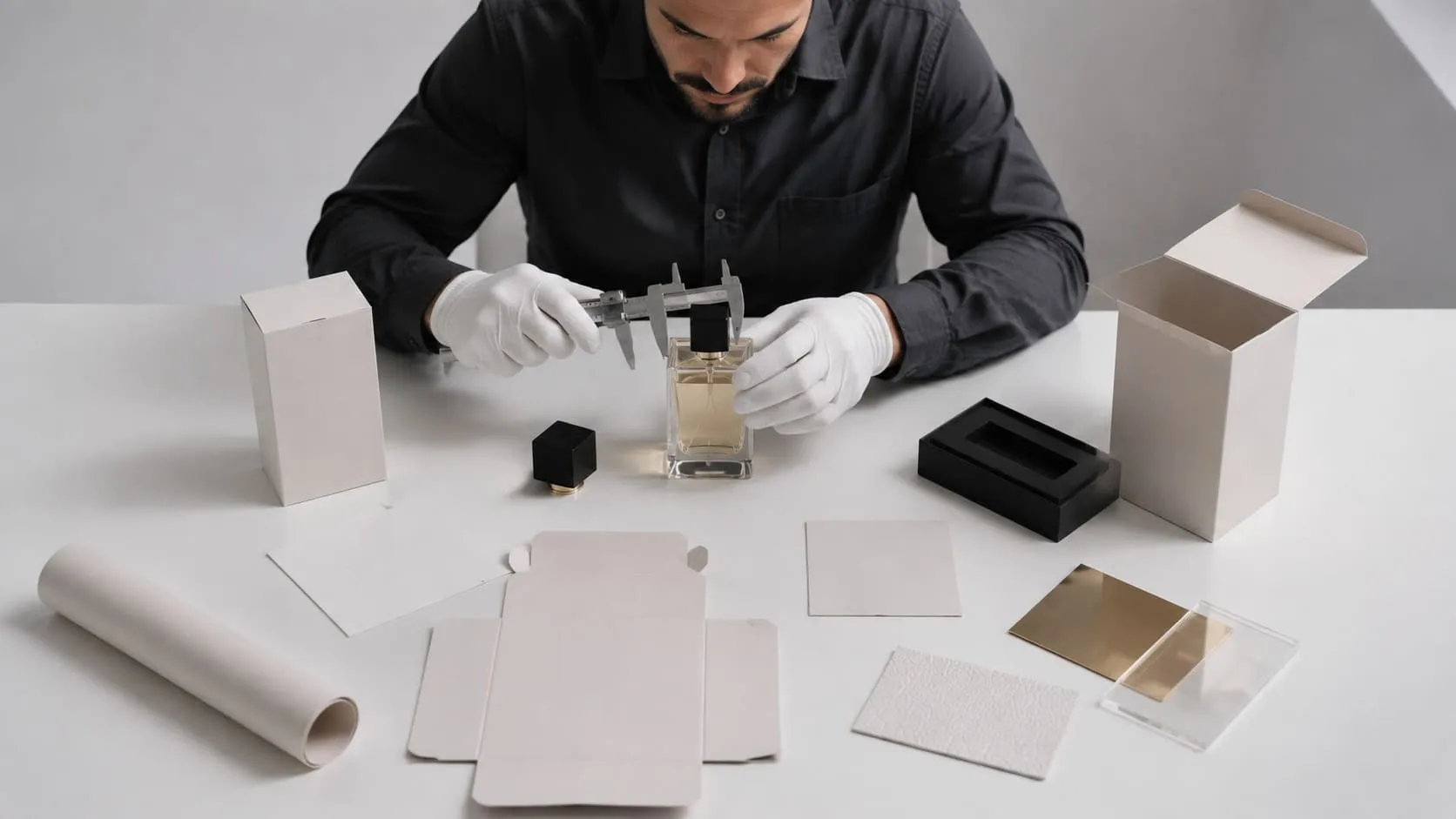
How to choose a perfume manufacturer that can help prepare your packaging information
Choosing the right manufacturer is an essential step in building a complete technical product file. At Jasmine, our support goes beyond filling and manufacturing to include the documentation and specifications needed to support shipment approval and facilitate product distribution.
- Providing safety and compliance documentation: Working with us gives you access to the documents associated with your product, including Safety Data Sheets, IFRA documentation, and compatibility and stability reports, all linked to your fragrance formula and relevant production batches.
- Compliance with Good Manufacturing Practices: Our structured manufacturing and quality-control procedures help maintain consistent perfume quality from one batch to another and support the preparation of formal documentation required by health and regulatory authorities in your target market.
- Support for export and customs clearance requirements: Our experience with international markets helps us prepare essential export documentation, including Certificates of Origin, packing lists, and transport documents for perfume products, helping you save time and reduce potential obstacles during customs clearance.
- Accurate management of reference samples and traceability codes: Your brand needs a reliable reference for both the approved final sample and subsequent production batches. At Jasmine, we follow organized procedures for retaining your reference sample and linking your perfumes to batch numbers and the information required for traceability.
- Flexibility across packaging options: We offer flexible solutions for different product formats and bottle sizes selected for your brand while ensuring that the packaging remains fully aligned with the specifications of your finished product.
Working with an experienced perfume manufacturer can save you time and help ensure that the required safety and compliance documentation is properly prepared. Contact the Jasmine team to start preparing your perfume product file and export documentation.
Read Also: Private-Label Perfume Manufacturing in Turkey for Brand Customization
From Fragrance selection to final packaging: Your perfume manufacturing journey with Jasmine
Jasmine is one of the leading companies specializing in perfume manufacturing and production. Since our establishment in 2009, we have developed customized fragrance products for brands, with a strong focus on manufacturing quality and attention to every product detail. Our experienced team provides integrated solutions that begin with fragrance development and continue through to preparation of the finished product.
This experience is reflected in the structured approach we follow with brands, connecting each stage of fragrance development with product preparation according to the approved specifications.
Sample development and fragrance formula approval
Private label perfume projects begin with understanding the fragrance direction your brand wants to achieve. We then develop the sample and review its details before moving into production. This stage includes:
- Discussing the product concept and desired fragrance identity.
- Developing the sample according to the project specifications.
- Reviewing the result and approving the final fragrance.
- Finalizing the formula and product specifications before manufacturing begins.
Preparing the product for the target market
Once the fragrance formula has been approved, the process moves into preparing the elements required to bring the product to market while ensuring that the perfume remains aligned with your project requirements. This stage includes:
- Finalizing the product information and associated technical files.
- Preparing the bottle and packaging according to the approved specifications.
- Reviewing the perfume label and packaging artwork.
- Organizing production details before manufacturing begins.
In this way, the approved product specifications move smoothly from the development stage into production preparation while maintaining consistency between the final perfume and the details agreed upon by your brand and Jasmine.
Turning your perfume concept into a retail-ready product requires a coordinated process with an experienced manufacturer. Consult the Jasmine team today to begin developing and manufacturing your private label perfume from concept to finished product.
FAQs about perfume label requirements
What information should be checked before printing a perfume label?
The most important details include the product name, brand name, packaging information, product specifications, and any information required by the target market. You should approve all of these details before the final artwork is sent for printing.
Do perfume label requirements vary by country?
Yes. Requirements may vary depending on the target market, product category, and distribution channels. For this reason, the destination country should be identified before the final label design is approved.
Why Is a barcode important for perfume products?
A perfume barcode helps identify the product within sales, inventory, and distribution systems. Before printing, you should verify that the barcode is assigned to the correct product and bottle size.
Can a perfume manufacturer help prepare packaging information?
Yes. At Jasmine, we support your brand by organizing product and packaging information throughout the fragrance development and manufacturing process according to the specific needs of your project.