If you’re considering buying Turkish perfumes & fresheners wholesale in Australia, you’re likely not browsing out of curiosity. You’re searching for a better-margin product, a reliable supplier, and a clear import process that won’t create headaches with ABF, AICIS, or DG shipping.
You’re also probably asking the same questions every retailer asks before taking the leap:
- Is there actually demand for Turkish fragrances in Australia?
- What benefits will this bring to my shop or wholesale business?
- How complicated is the import process — and how do I avoid mistakes?
- Where do I find a trustworthy supplier that won’t risk my investment?
This guide by Jasmine walks you through those questions one by one with clear answers, real market data, and practical steps you can use today to decide whether Turkish perfumes and air fresheners are the right move for your business.
Are Turkish Fragrances Growing in Popularity in Australia?
If you’re thinking about adding a new fragrance line to your shop, you’re probably asking yourself a simple but uncomfortable question: “Is there actually demand for Turkish perfumes in Australia, or am I taking an unnecessary risk?”
This is exactly where most retailers hesitate!
Let’s look at the reality, not the theory.
1. Australia’s Fragrance Market Is Expanding — And That Creates Space for New Suppliers
Before asking “Why Turkish?” Ask: “Is the Australian market even growing?”
The answer is a solid yes.
- Australia’s perfume market reached USD 792 million in 2024, and is projected to hit USD 1.23 billion by 2033 (IMARC Group).
- The home-fragrance category — including air fresheners — is growing even faster, from USD 224 million in 2024 to USD 408.78 million by 2033 (IMARC).
When a market grows this consistently, retailers naturally look for new, high-margin fragrance sources. And that’s exactly where Turkish perfumes have been gaining ground.
2. Customers Are Asking for “Affordable Luxury” — And Turkish Perfumes Fit That Gap
If you’ve been in retail long enough, you know this truth:
Customers want designer-level performance without designer-level prices.
Turkish perfume factories, especially export-focused ones like Jasmine Perfume Factory, offer:
- modern, Western-style scent profiles
- competitive prices
- strong oil concentration
- attractive packaging
This is the exact formula Australian consumers respond to — especially in a cost-sensitive market.
So yes, interest is rising because the value equation makes sense.
3. Retailers Are Quietly Shifting Part of Their Inventory to Turkish Suppliers
Here’s the part most people don’t say publicly:
Many Australian retailers are testing small MOQs of Turkish perfumes and then coming back for larger orders.
Why? Because margins are higher and customer feedback is positive.
You don’t adopt a new category because “everyone is doing it.” You adopt it because retailers before you tried it — and it worked.
4. Importing Turkish perfumes Has Become More Straightforward
Another reason popularity is rising: The import rules are no longer a mystery.
- ABF confirms that most perfumes do not require a special import licence unless restricted chemicals are involved.
- AICIS allows importing perfumes and air fresheners as cosmetics as long as your business is registered and the ingredients follow cosmetic introduction rules.
- Shipping is manageable through certified Dangerous Goods carriers (perfumes = Class 3 flammables).
When regulations are clear, retailers feel safer — and demand naturally grows.
5. So… are Turkish perfumes actually growing in popularity?
Yes.
Not because of hype.
Not because they’re “trendy.”
But because the Australian market is rewarding value, margin, and reliable supply — three things Turkish manufacturers deliver extremely well.
If you’re considering adding them to your shelves, you’re not early but you’re definitely not late either. You’re right at the moment when opportunity and timing overlap.
Also read: Jasmine: Your Strategic Perfume Manufacturer in Istanbul

Benefits of Buying Turkish Perfumes Wholesale in Australia
Before talking about benefits, let’s be honest for a moment.
If you’re considering importing Turkish perfumes into Australia, it’s not because you simply want new bottles on your shelves, but because you’re looking for higher profitability, lower risk, and faster growth.
So let’s start from your real questions — the ones you don’t say out loud:
- Will this give me better margins?
- Will customers actually buy it?
- Can I trust the supply chain, or will this turn into a headache?
Turkish perfumes answer these concerns better than most emerging fragrance markets. Here’s why.
1. Higher Margins Compared to Western Designer Brands
Most Australian retailers struggle with the same issue: Designer brands eat your margin and control your pricing.
Turkish manufacturers flip that equation.
Because production costs in Turkey are lower (labor, materials, and packaging), wholesale prices remain competitive even after shipping and DG handling. This gives you:
- better profit per bottle
- more room to run promotions
- the ability to test new lines with lower financial risk
In a market that’s growing to $1.23B by 2033 (IMARC Group), this margin flexibility matters.
2. Strong Consumer Demand for Affordable Luxury
Australian customers are shifting. They want quality… but not $180-per-bottle prices.
This is the exact gap Turkish perfumes fill:
- long-lasting concentrations
- Western-style scent profiles
- modern packaging
- competitive price point
When the value-for-money ratio is strong, selling becomes easier for you and your staff.
3. More Reliable Supply Chains Than You Might Expect
A common fear among retailers is: If the supplier is outside Australia, what if they disappear or change quality?
Turkish export factories, especially ones like Jasmine Perfume Factory, now operate with:
- EU-standard quality control
- IFRA-compliant formulations
- consistent batch production
- export-ready documentation
- stable re-order performance
For B2B buyers, this means fewer surprises and smoother re-stock cycles.
4. Flexible MOQ & Pricing That Supports Small and Large Retailers
Unlike many European brands that require massive first orders, Turkish suppliers often provide:
- low minimum order quantities (ideal for testing the market)
- scalable pricing structures
- the ability to customize orders
This flexibility is rare — and extremely valuable — especially if you’re adding a new product line in a controlled, low-risk way.
5. Easier Compliance for Importing Into Australia
One of the biggest concerns for any retailer is compliance — so let’s tackle it head-on.
Thanks to clear guidance from:
- ABF (Australian Border Force) → no special import licence needed for most perfumes
- AICIS → perfumes count as cosmetics; import is legal as long as you register your business and follow cosmetic introduction rules
And while perfumes are considered Dangerous Goods (Class 3), licensed carriers handle this daily.
This removes a major barrier, making Turkish fragrances a practical wholesale option.
6. A Competitive Edge in a Market That’s Getting More Saturated
With Australia’s perfume market growing faster than expected, retailers need something that competitors don’t have.
Turkish perfumes give you:
- differentiation
- unique scent stories
- better value for customers
- stronger upsell potential
A product that sells itself and sets your store apart? That’s a competitive advantage.
7. Private Label & White Label Possibilities
This is where Turkish suppliers really shine.
If you ever dreamed of launching your own store brand, Turkish factories are among the few that offer:
- private label
- white label
- custom packaging
- custom scent formulation
This lets you create a signature line — with higher margins and brand exclusivity.
Turkish fragrances aren’t just affordable alternatives.
Want to explore bestselling Turkish perfumes for your store? Request the wholesale catalogue and see pricing, MOQ options, and samples.
Also read: Building a Successful Perfume Brand in a Saturated Market

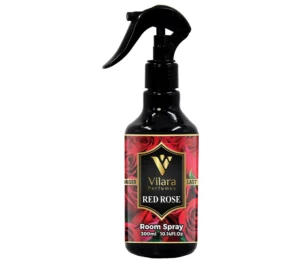
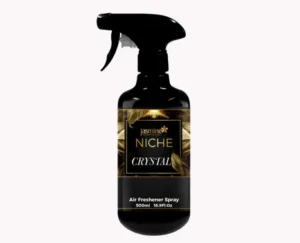
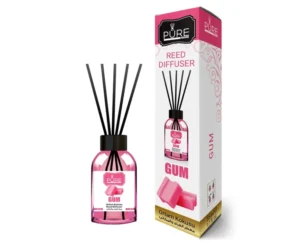
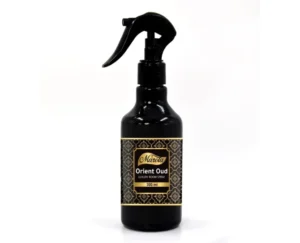
Best Wholesale Options for Turkish Perfumes and Air Fresheners
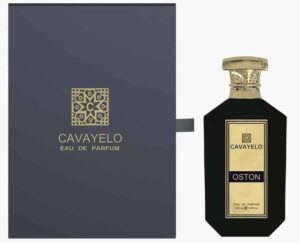
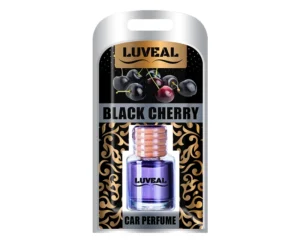
Importing Turkish Perfumes and Air Fresheners into Australia
Many Australian retailers want to expand their fragrance range — but the real worry is not the product itself.
It’s the process.
The hidden question every B2B buyer asks: “Will importing perfumes from Turkey expose me to customs problems, compliance issues, or unnecessary risks?”
Here is a clear, structured breakdown of everything you need to know — without overwhelm and without surprises.
1. Import Licence Requirements (ABF)
Let’s answer the biggest concern first.
Do you need an import licence for perfumes?
No.
According to the Australian Border Force (ABF):
- Perfumes and cosmetic air fresheners do not require a special import licence.
- Only restricted or controlled chemicals need licensing — and standard fragrance products do not fall into those categories.
This means: importing Turkish perfumes is legal and fully permitted.
2. AICIS Registration
While ABF handles customs, AICIS regulates cosmetic ingredients.
If you import perfumes for business purposes, you MUST:
- register your business with AICIS
- ensure ingredients comply with cosmetic introduction rules
This applies even if the products are:
- fully packaged
- ready for retail
- manufactured overseas
Good news: Most Turkish manufacturers — including Jasmine Perfume Factory — already follow EU cosmetic standards, which align well with Australian rules.
3. Dangerous Goods Classification (DG Class 3)
All perfumes, regardless of country of origin, fall under:
Class 3 – Flammable Liquids (Dangerous Goods)
This affects:
- packaging standards
- shipping requirements
- the carrier used
What you need to know:
- DG-certified freight companies handle perfume shipments every day
- Turkish exporters are familiar with DG packaging and documentation
- Retailers do not need special training — only a compliant logistics partner
So DG status is a procedural step, not an obstacle.
4. Required Documents for Smooth Customs Clearance
To avoid delays, ensure your supplier provides:
Import Documents
- Commercial Invoice
- Packing List
- Certificate of Origin
- Safety Data Sheet (SDS)
- Bill of Lading (sea freight) or Air Waybill (air freight)
A reliable Turkish supplier will prepare all of these automatically.
5. Import Taxes and Fees
When your shipment arrives, expect:
Mandatory Costs
- 10% GST
- Customs duty (varies by product classification)
- Import Declaration (required for goods > AUD 1,000)
- Clearance fees charged by your freight forwarder
These are standard charges for all cosmetic imports into Australia.
6. Labelling Requirements for Selling in Australia
To legally sell perfumes and air fresheners, labels must include:
- product name
- ingredient list
- batch/lot number
- importer name + contact details
- country of origin
- safety information (if applicable)
Most Turkish factories already comply with EU cosmetic regulations, which makes adjustments minimal.
7. Choosing Between Air Freight and Sea Freight
Air Freight
- Fast (7–12 days)
- Higher cost
- DG limitations
Sea Freight
- Most cost-effective for wholesale quantities
- Transit 30–45 days
- Preferred by B2B importers to maximize margins
8. The Real Benefit: A Predictable, Repeatable Import Process
Once you complete your first shipment, you’ll notice something important:
Importing Turkish perfumes is not risky — it’s procedural.
With:
- ABF clarity
- AICIS compliance
- DG-certified freight
- Reliable Turkish suppliers
…the process becomes predictable, scalable، and profit-friendly.
This predictability is exactly why more Australian retailers are adding Turkish perfumes and air fresheners to their product lines.
Need help navigating AICIS or DG requirements? Speak with our export team to guide you through your first shipment step by step.
Also read: Perfume Import from Turkey: 10 Best Perfumes to Choose

How to find Reliable Turkish Suppliers?
If you’re considering importing perfumes or air fresheners from Turkey, the real challenge isn’t finding a supplier; it’s finding the right supplier.
Because every retailer knows this painful truth:
A bad supplier can cost you far more than a bad product.
Delayed shipments, inconsistent batches, missing documents, poor packaging…
One weak link in the supply chain, and your entire wholesale strategy collapses.
So let’s walk through a clear, structured method to help you identify credible, export-ready Turkish manufacturers — the kind that protect your margins, your time, and your reputation.
1. Start With Export-Focused Manufacturers — Not Local Shops
Many Turkish brands sell domestically but are not built for international wholesale.
What you want is a factory that exports regularly, because they already understand:
- international packaging requirements
- DG (Dangerous Goods) shipping rules
- documentation for customs
- AICIS ingredient disclosures
- batch consistency
Look for factories that openly advertise:
- Export Services
- Wholesale Perfume Manufacturing
- Private/White Label Production
- Worldwide Shipping
Jasmine Perfume Factory, for example, operates specifically as a B2B export manufacturer, not a retail brand — a critical distinction.
2. Verify That the Supplier Offers Full Documentation
Reliable suppliers provide documents before you ask, including:
- Safety Data Sheet (SDS) — required for DG Class 3
- COO (Certificate of Origin)
- Commercial Invoice + Packing List
- IFRA Compliance (on request)
- Ingredient breakdown for AICIS
If a supplier hesitates or delays documentation, this is your first red flag.
Professional suppliers never hide paperwork.
3. Assess Production Standards, Not Just Scent Quality
Many buyers focus on the fragrance itself — but the factory behind it matters more.
Look for signs of serious manufacturing capability:
Must-have indicators:
- EU-standard formulation and cosmetic-grade ingredients
- Batch tracking system
- Quality control protocols
- Modern filling and bottling lines
- Compliant labeling practices
Factories like Jasmine showcase these standards clearly, which signals reliability and repeatability.
4. Test Their Communication Speed & Professionalism
This may sound simple, but it’s a powerful indicator.
A reliable supplier responds:
- within 24–48 hours
- with clear answers
- with structured pricing
- with transparent MOQ information
- with accurate lead times
If the supplier communicates poorly before money is involved…imagine what happens after they ship your first order.
5. Always Request Samples — But Evaluate More Than the Fragrance
When samples arrive, assess:
Quality Factors:
- longevity on skin
- oil concentration
- sillage
- packaging durability
- sprayer quality
Compliance Indicators:
- proper English labeling
- ingredient listing
- batch number visible
- safety information where required
This tells you whether the supplier can produce retail-ready products, not just “good scents.”
6. Confirm Their Export Experience With Western Markets
Experience shipping to Europe, the UK, the GCC, or Australia means they understand:
- DG shipping
- customs compliance
- ingredient disclosure rules
- international packaging standards
If the supplier has shipped to Australia before, you are automatically at an advantage because they already know the process.
7. Look for Private Label or White Label Capabilities
A supplier that offers private label or white label services is usually:
- more experienced
- more structured
- more capable
- more scalable
This matters because it shows the factory has systems designed for long-term B2B partnerships, not one-off retail orders.
8. Evaluate Their Pricing Structure — Not Just the Price
Good B2B suppliers offer tiered pricing based on volume:
- low MOQ test orders
- better pricing at higher quantities
- stable long-term contract pricing
If the supplier’s pricing is inconsistent, unclear, or changes frequently, walk away.
9. Trust the Rule of Consistency
A reliable Turkish supplier will consistently deliver:
- consistent batches
- consistent packaging
- consistent shipping times
- consistent documentation
- consistent communication
In wholesale, consistency = reliability,
and reliability = profit.
This is why serious retailers work directly with structured factories like Jasmine Perfume Factory — because the risk is lower, the workflow is smoother, and the long-term profitability is higher.
Ready to work with an export-ready, documentation-compliant supplier? Request our wholesale profile and certification package.
Also read: Wholesale Perfume Supplier: Details Every Retailer to Know
Why Choose Jasmine Perfume Factory for Turkish Wholesale Supply
When you’re choosing a perfume supplier in Turkey, you’re not just choosing a scent. You’re choosing a business partner who will impact your margins, your reputation, and your long-term growth.
And this is exactly where Jasmine Perfume Factory stands out.
Most factories sell perfume. But very few understand what Australian retailers, wholesalers, and private-label entrepreneurs actually need:
- predictable production
- export-ready packaging
- DG-compliant documentation
- professional communication
- flexible MOQs
- consistent quality, every batch
Jasmine is built specifically for this kind of B2B client.
Let’s break down why serious buyers choose Jasmine over other Turkish suppliers.
1. Export-Focused Manufacturing Built for B2B, Not Local Retail
Unlike retail brands in Turkey, Jasmine is designed from the ground up to serve:
- wholesalers
- perfume shops
- brand owners
- entrepreneurs launching their own fragrance line
This means you get:
- export packaging
- production planning
- reliable lead times
- proper SDS + DG documents
- ingredient transparency for AICIS compliance
No guesswork.
No improvisation.
Just a smooth, predictable supply chain.
2. EU-Standard Formulations & Consistent Quality
Every retailer knows that one bad batch can damage customer trust instantly.
Jasmine addresses this with:
- EU-compliant fragrance oils
- IFRA-aligned formulations
- strict batch control
- automated filling lines
- high-quality sprayers, caps, and bottles
This consistency is what makes Jasmine a safe long-term supplier — not just a one-time purchase.
3. Competitive Wholesale Pricing That Protects Your Margins
With Turkey’s cost-efficient manufacturing ecosystem, Jasmine offers:
- factory-direct pricing
- scalable volume discounts
- realistic MOQs (perfect for testing)
- stable pricing for repeat orders
This allows Australian retailers to enter the fragrance market with high margins while keeping retail prices accessible.
4. Professional Documentation for Smooth Australian Imports
Jasmine provides all required export documents:
- Safety Data Sheet (SDS)
- Certificate of Origin
- Commercial Invoice
- Packing List
- DG-compliant packaging
- Ingredient breakdown for AICIS
This is why Jasmine’s shipments clear Australian customs quickly and reliably.
5. Modern Packaging & Strong Shelf Appeal
In retail, packaging sells the product before the scent does.
Jasmine’s design team provides:
- premium bottle designs
- boxes with embossing, hot-foil, matte/gloss options
- modern, international-style branding
- high-end finishing suitable for boutique and luxury retail
These details increase in-store conversion and help your products compete directly with international brands.
White label & private label options
If you’re looking to introduce your own fragrance line in Australia, Jasmine Perfume Factory offers two clear pathways — each designed for different business goals.
Perfect if you want to launch quickly or test the market.
White label
What you get:
- Ready-made perfumes
- Professional packaging
- Your logo applied to the products
- Low minimum order quantities
- Fast turnaround
Ideal for: boutiques, salons, online stores, and retailers wanting a quick entry into the fragrance category.
2. Private Label (Custom, Premium, Exclusively Yours)
For businesses that want to create a fully unique brand.
What you can customize:
- scent formula
- bottle style
- packaging design
- full brand identity
- luxury finishes
Ideal for: retailers building their own signature collection or seeking higher margins through exclusivity.
Why These Options Matter for B2B Buyers
Both services allow you to:
- increase profit margins
- differentiate from competitors
- build brand loyalty
- control pricing and positioning
And because Jasmine handles production, packaging, and export documentation, you get a turnkey solution from factory to store.
Ready to work with an export-ready, documentation-compliant supplier? Contact us today!